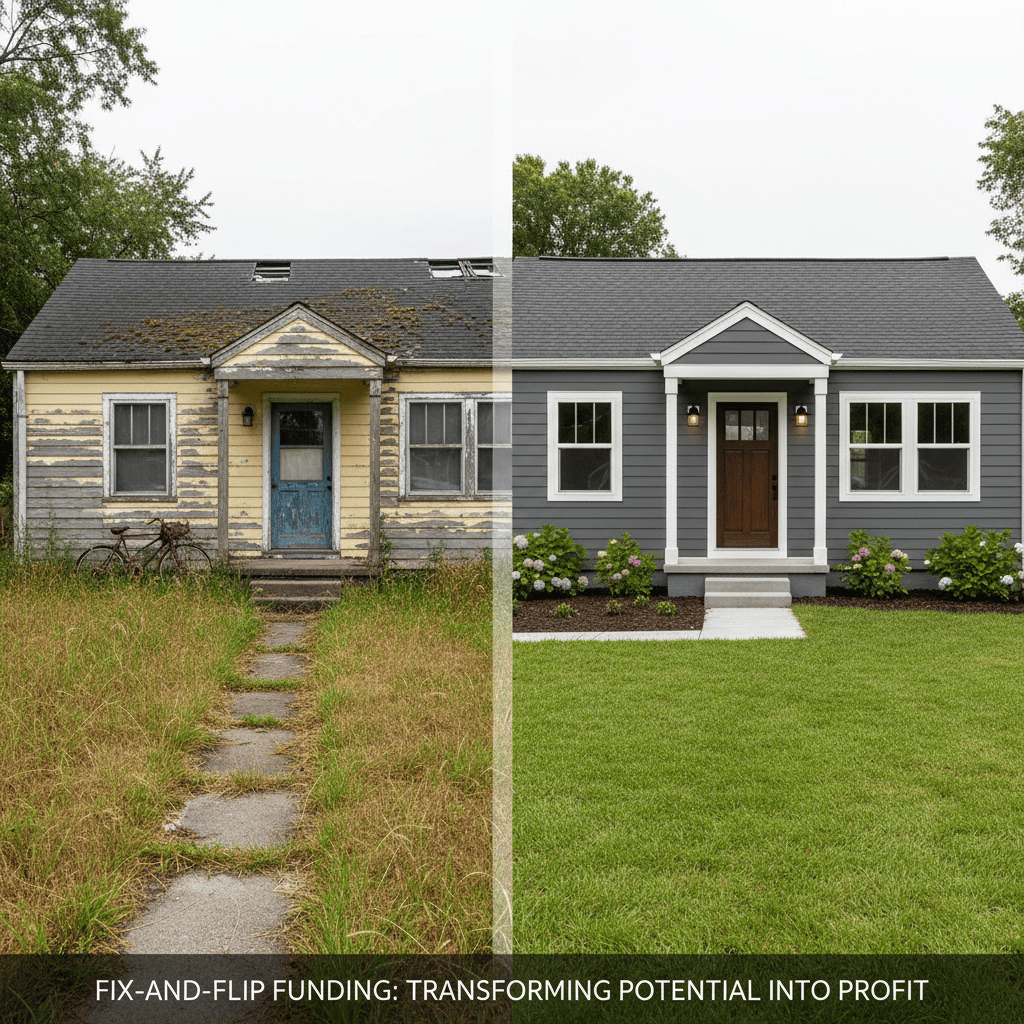
A fix-and-flip loan is designed around an investment property that will be renovated and sold. Before choosing a financing option, investors should understand the full project budget, the likely resale value, the time required to complete the work, and the plan if the property takes longer to sell than expected.
Start with the purchase and after-repair value
Document the contract price and support the projected after-repair value (ARV) with relevant comparable sales. A lender may apply its own valuation process and may not accept an investor’s projected value at face value.
Build a realistic renovation budget
Break the scope into line items such as demolition, structural work, roofing, mechanical systems, plumbing, electrical, windows, kitchens, bathrooms, flooring, paint, permits, and landscaping. Include contractor estimates and a contingency for unexpected conditions. A thin budget can put the entire exit strategy at risk.
Understand how renovation draws work
Some programs fund approved renovation costs through draws rather than advancing the entire rehab budget at closing. Ask how draw requests are submitted, what inspections are required, how quickly reimbursements are processed, whether retainage applies, and how much cash the borrower must carry between draws.
Calculate the complete cost of the project
- Purchase price and closing costs
- Down payment or required borrower contribution
- Renovation costs and contingency
- Origination, underwriting, processing, and third-party fees
- Interest and other carrying costs during the project
- Taxes, insurance, utilities, and property maintenance
- Real estate commissions and resale closing costs
Have a primary exit and a backup plan
The primary exit may be resale, but investors should also evaluate whether a refinance or rental hold is realistic if market conditions change. A refinance is not automatic: it depends on property value, rental income, seasoning, borrower eligibility, and the takeout lender’s guidelines.
What to prepare for a financing review
Gather the purchase contract, property details, photos, scope of work, contractor estimates, ARV support, borrower experience, entity information, proof of funds, and a timeline. The lender may request additional documents during underwriting.
Reward Services helps investors review potential fix-and-flip financing options through lending partners. Leverage, pricing, draw procedures, eligibility, and timelines vary by lender and transaction. Nothing is approved until the lender completes underwriting and issues final documents.
Review financing programs or send Steven your project details.


Leave a Reply